Context

Jewelry and History
Jewelry has existed for over 100,000 years, emerging from a fundamental human drive for individuality, creativity, and self-expression. it has represented: status, relationships, protection, and memories.
As both craft and symbol, jewelry reflects not only the identity of the wearer but also the values of the society it comes from.
Individualism and Identity
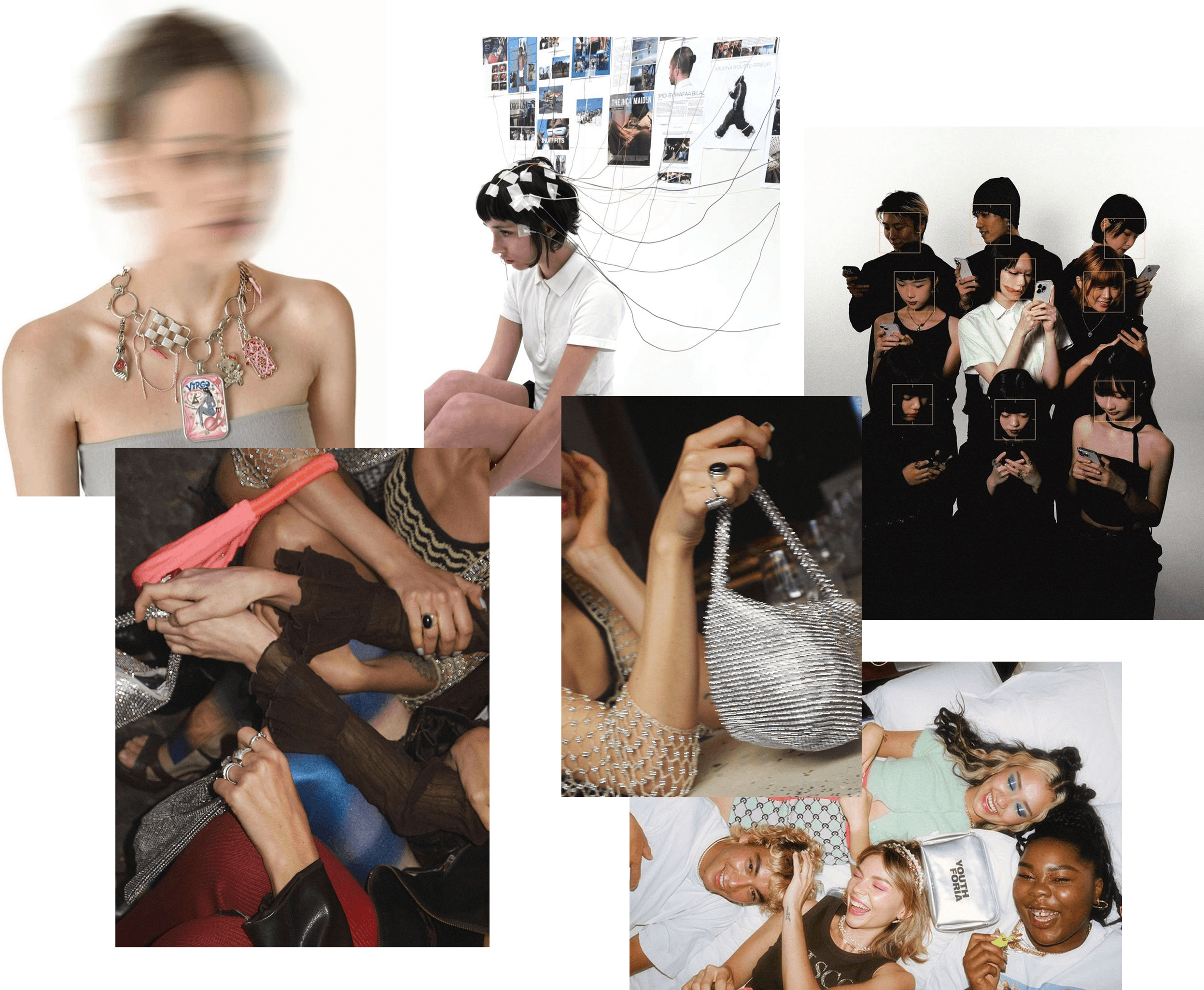
American youth are increasingly shaped by a culture of individuality, where curating your identity is continuously encouraged through digital connectivity.
In today’s digitally influenced world, where identity is often curated through screens, jewelry maintains a unique sense of permanence and physical identity.

Creation and Authorship
People find meaning in creating things themselves—the process builds connection, ownership, and a sense of accomplishment.
This project makes jewelry design more intuitive and accessible through digital tools, while staying rooted in craft and storytelling.
It balances technology innovation with tradition to reinforce jewelry’s role as both personal form of expression and cultural artifact.
Market Research
Conducted market research by analyzing existing online customization platforms across multiple industries to identify patterns, strengths, and gaps in current experiences.

SLATE
Cosmetic & function customizations
25 starter pack options
Over 176 decisions
Unlimited wrap colors
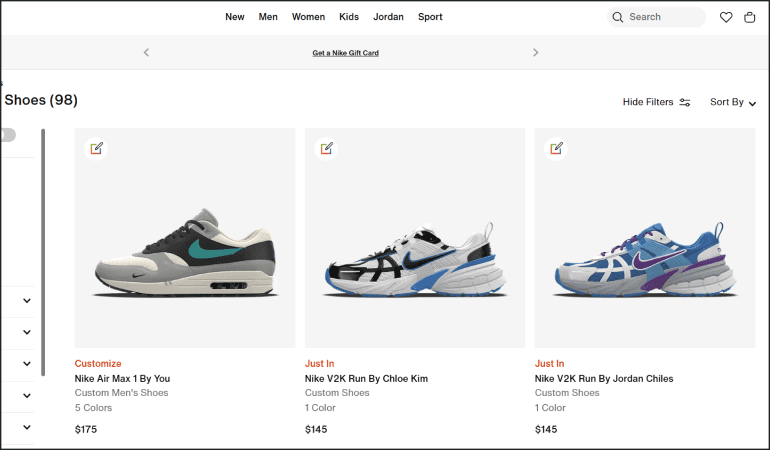
Nike ID
Only cosmetic customizations
5 starter options
Over 104 decisions
Unlimited text options
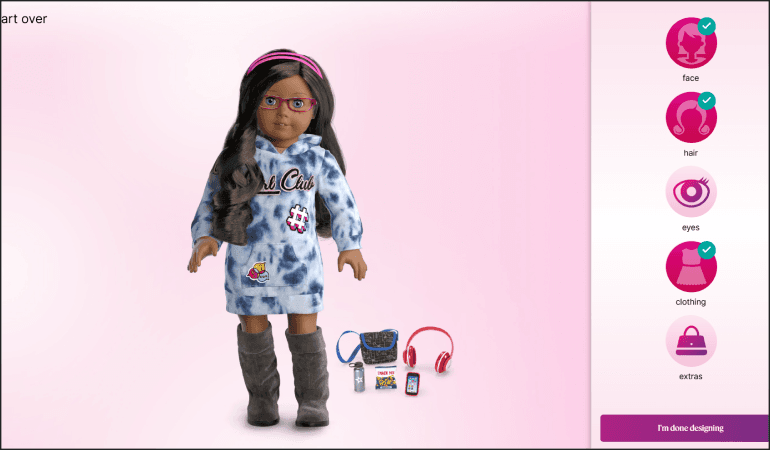
American Girl Doll
Only cosmetic customizations
7 starter options
Over 75 total decisions

Nervous System Cell Cycle
Generative model
Physical and cosmetic customizations
Scalable options
Infinite end results, limited input
13 design variables
Digital Survey
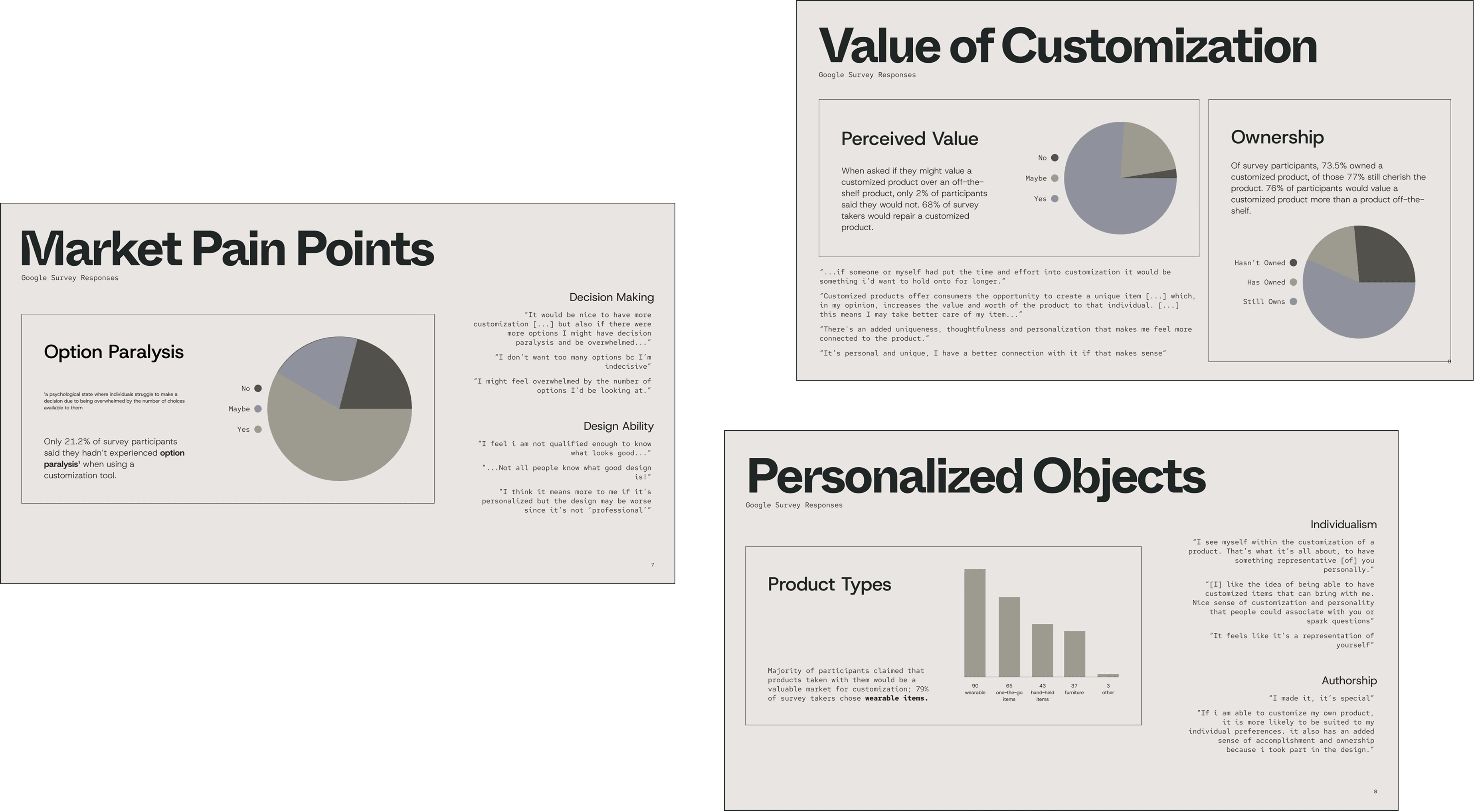
Distributed a Google survey with 120+ responses to gather user insights on behaviors, frustrations, and expectations when designing personalized products.
Key Insights
Value of Authorship
Users place greater emotional and perceived value on products when they are involved in their creation. Participatory design leads to stronger attachment, longer product lifespans, and more frequent use, as the object becomes a reflection of personal effort and experience rather than a passive purchase.
Authorship shifts products from commodities to personal artifacts, increasing both emotional connection and perceived worth.
Latent Creativity
While consumers strongly desire unique, individual products, many lack confidence in their ability to make “good” design decisions. This tension results in hesitation and self-consciousness, where users want control but fear disliking the outcome.
Customization tools must support users creatively without requiring design expertise or risking feelings of failure.
Opportunity for User Input
Current commercial customization tools prioritize selectable cosmetic options over expressive input, limiting users to predefined outcomes. There is a clear market gap for systems that allow users to communicate intent, emotion, and identity rather than simply choosing between parts.
Users want to contribute ideas, and existing tools seldom accommodate this.
Minimize Option Paralysis
When users are presented with a large number of unstructured choices and complete creative freedom, they experience decision paralysis rather than empowerment. Without guidance, users struggle to weigh options, and feel confident in their decisions.
Effective customization systems must provide structure, constraints, and guidance to reduce cognitive load and support confident decision-making.
Problem Statement
Current online product customization platforms prioritize efficiency and scalability over participation, offering online consumers superficial choices that stifle their lived experiences and creative intent; this creates option paralysis and hinders meaningful connection with the final outcome.
Value Statement
For online consumers who desire individualized products but feel overwhelmed by current customization tools, this project develops a system that translates creative intent into form through structured digital and 3D interactions; empowering users to have an increased connection to the final piece while reducing decision paralysis.
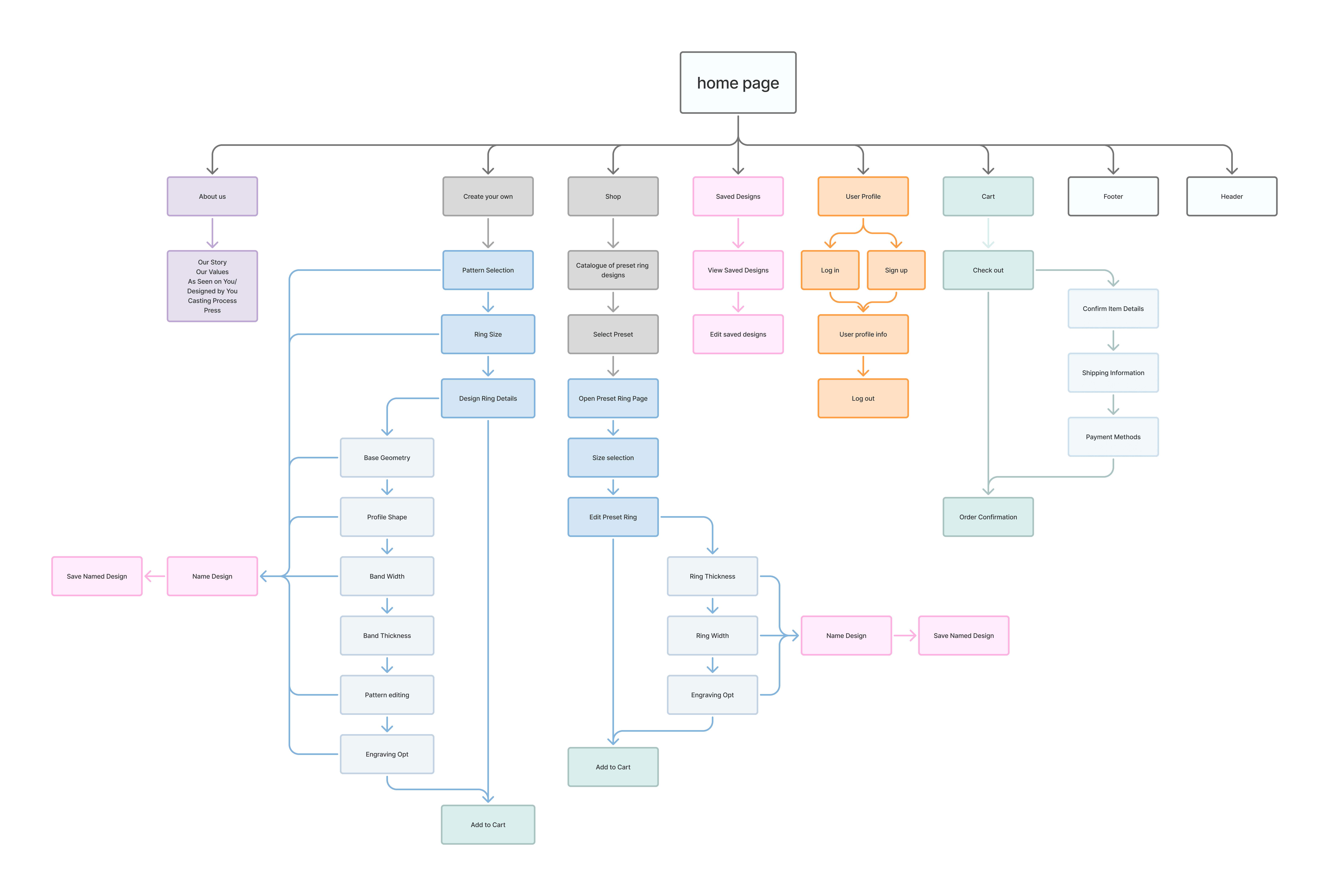
System Framework

Project Components
Jewelry preset pieces
Base options
Custom pattern parameters
Ring box packaging
Jewelry care cards
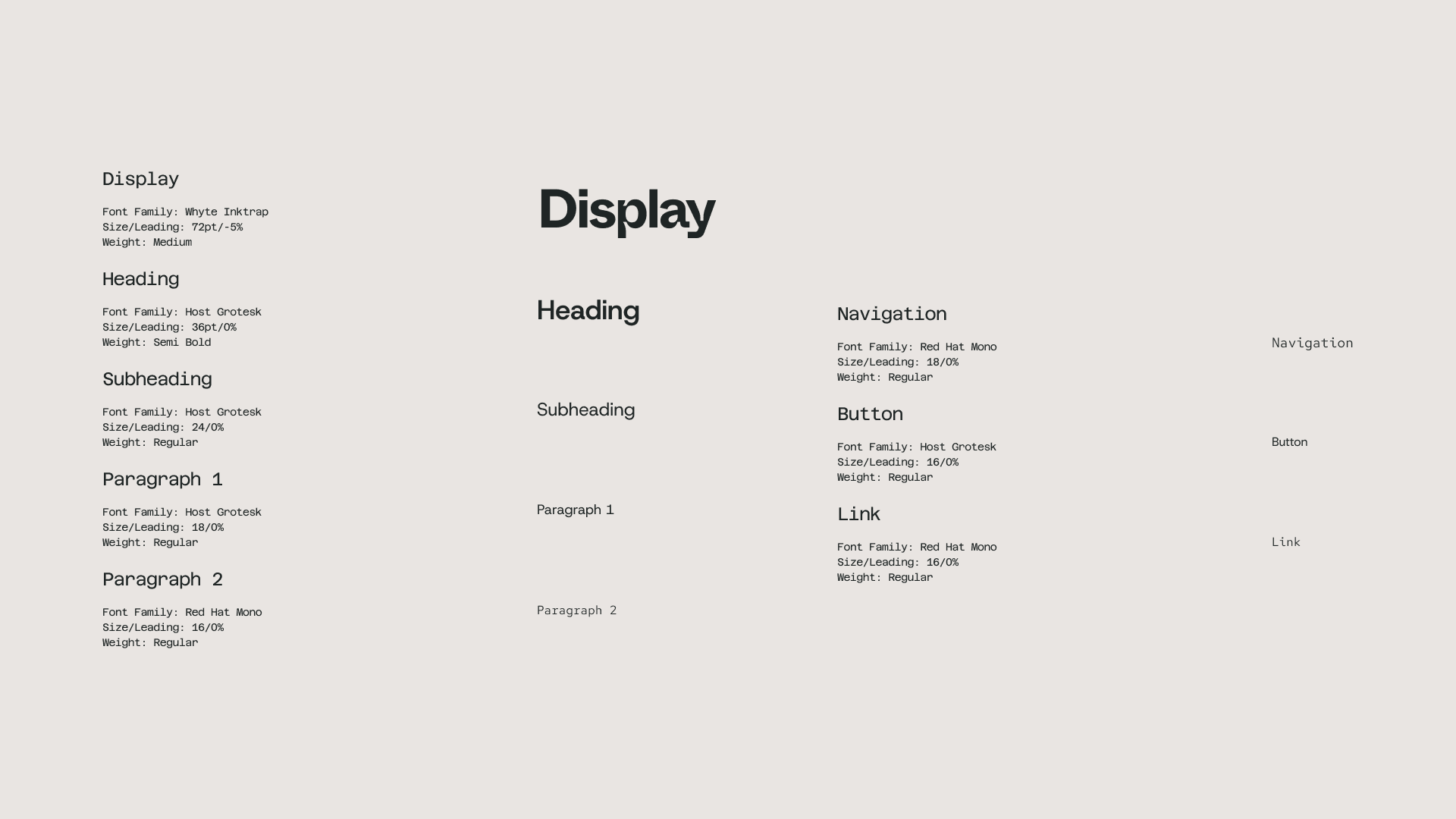
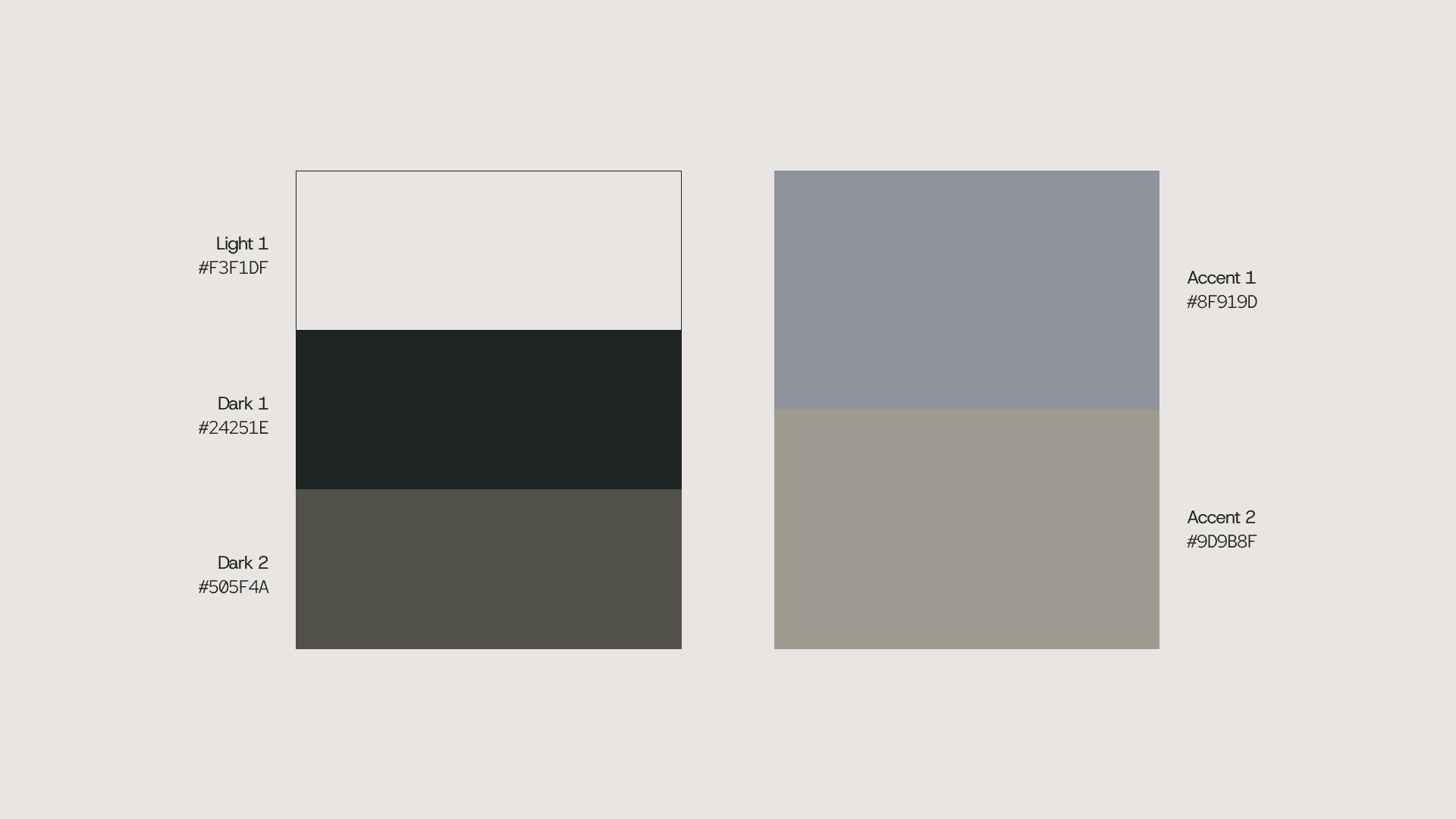
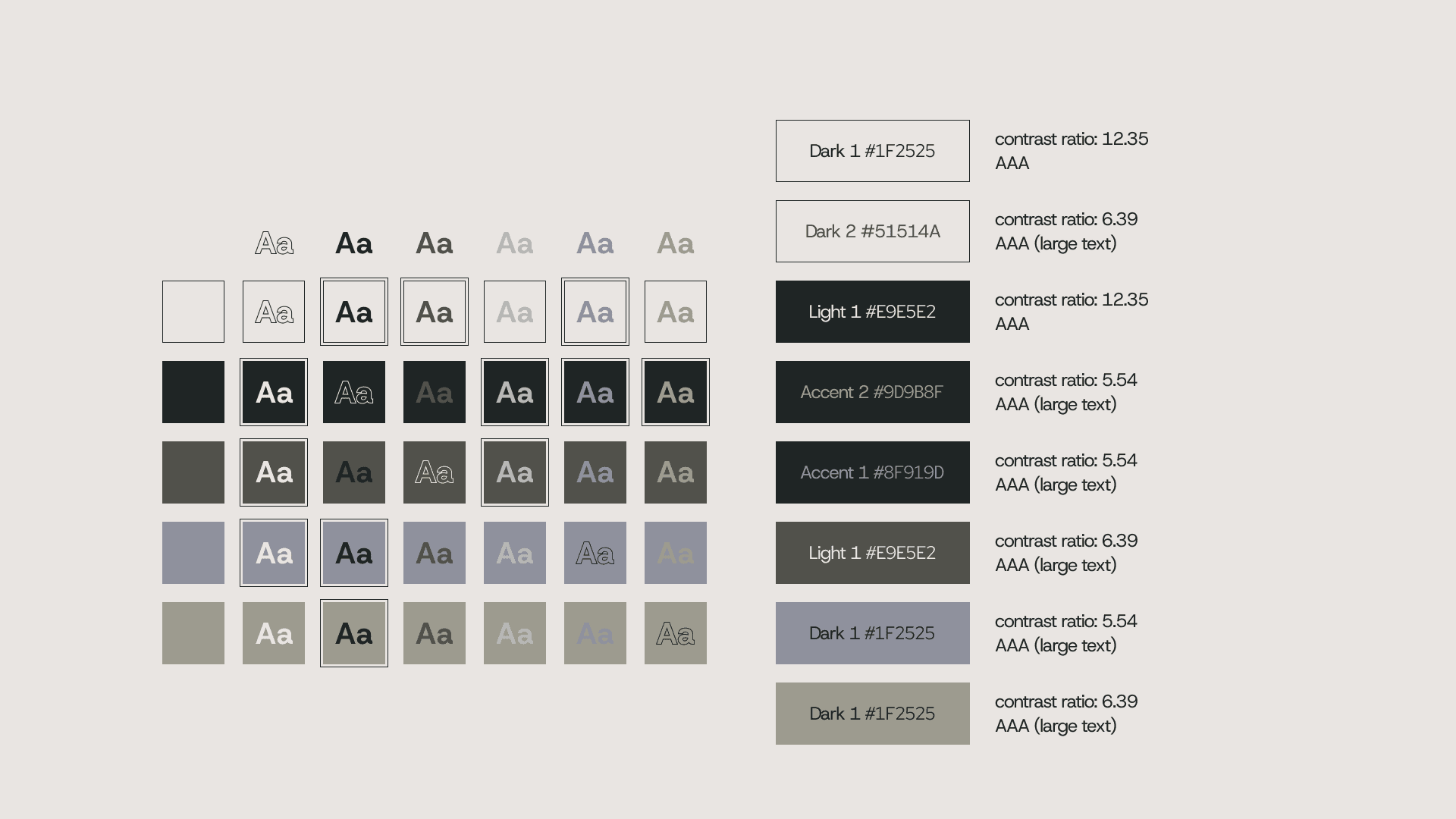
Branding identity and guidelines
E-commerce website for users
3D configurator render environment
Mock 3D configurator front end for website
Branding


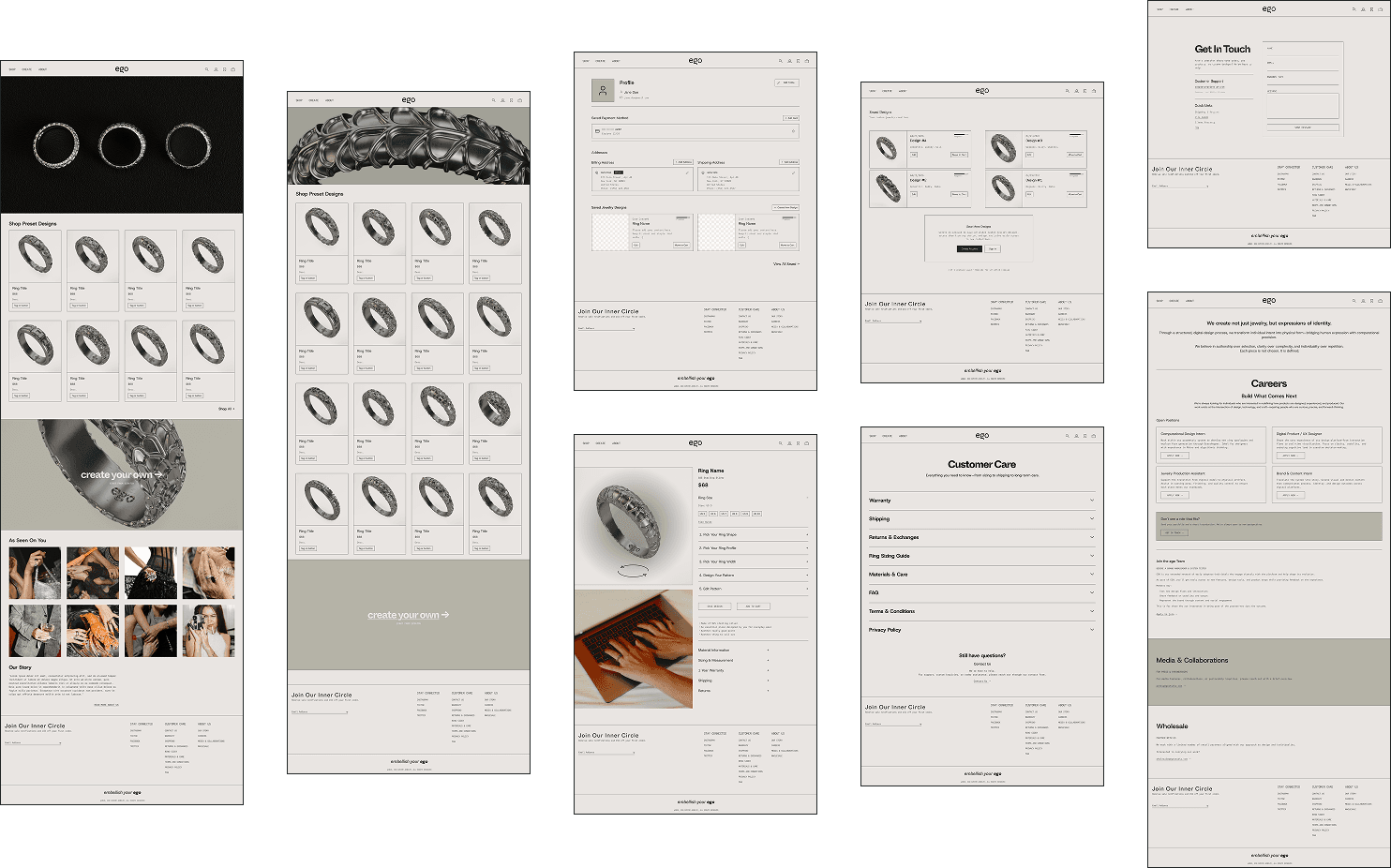
E-Commerce Website